
The ceasefire was always going to face challenges
For all the hard work invested in trying to negotiate a lasting peace settlement, the latest upsurge in violence between Iran and the US does not bode well for the survival of their 60-day ceasefire, implemented last month. A key factor in both the Trump administration and the Iranian regime agreeing to the truce was a profound sense of war weariness in the two camps. For different reasons, both want to see an end to the conflict, yet here it is, continuing.
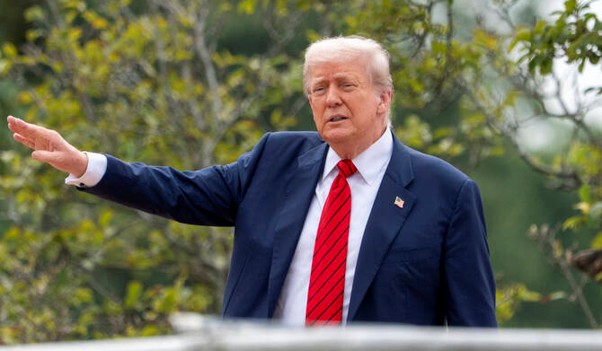
US President Donald Trump’s decision to attack Tehran at the end of February appears to have been predicated on the basis that the war would be a relatively brief affair that would ultimately result in the collapse of the regime. The continuation of the conflict in July is, therefore, hugely inconvenient, not least economically, following a sharp rise in American energy prices. This could reflect negatively at the polls in the upcoming midterm elections. Trump’s failure to bring the conflict to a speedy conclusion has prompted many to question his ability to deal effectively with global security threats, including from within his own Republican Party.
For Iran, further conflict only increases pressure on a leadership that, having suffered militarily, now needs to rebuild the country’s devastated economy. There are signs that the war’s domestic political fallout has deepened divisions between the more pragmatic politicians in Tehran, who want to defuse tensions with the West, and hard-line supporters of Iran’s Islamic Revolutionary Guard Corps, who are ideologically opposed to striking any deal.
There were pressing reasons why both sides agreed to a ceasefire, signing a 14-point memorandum of understanding setting out a framework for a permanent peace deal, but the arrangement was always going to face challenges, not least from the IRGC, which believes that by maintaining hostilities in the Gulf it is simply increasing the political pressure on Trump. The latest upsurge in military action, with Iran attacking Gulf states after the US conducted fresh strikes against IRGC targets, reflects the brittle nature of the original ceasefire deal.
At the NATO summit in Ankara this week, Trump said the ceasefire deal was “over.” Is it? Or is this just another round of the tit-for-tat exchanges that have taken place sporadically since the truce was originally implemented last month?
Judging by the extreme rhetoric from both sides, it is hard to imagine progress being made toward a permanent peace deal in the coming weeks, even though US envoys want to keep channels of communication open.
Trump has repeatedly said that he regards Iran’s nuclear program and freedom of navigation through the Strait of Hormuz as “red lines” for any deal, and that he will not sign anything that allows Tehran to continue its uranium enrichment, which experts believe is aimed at developing nuclear weapons. He also rejects Tehran’s claimed control of Hormuz and its plan to charge tolls for merchant shipping passing through one of the world’s busiest waterways, as does China.
Achieving these goals will not be easy. Iran’s hard-liners want to show their growing influence, having exploited nationwide events in recent days marking the funeral of the country’s former Supreme Leader Ayatollah Ali Khamenei. They demonstrated their strength by organizing massive crowds of mourners, with the regime claiming as many as 20 million turned out. The events were marked by overt displays of anti-American, anti-Trump sentiment, with many calling for the US leader’s assassination, while condemning Iranian negotiators as traitors.
Whether this anti-Trump sentiment persists remains to be seen, but it has certainly had an impact on the US president, who denounced Iran’s leaders as “scum,” and insisted that he has little interest in maintaining a dialogue with Tehran. Yet with Iran attacking ships in the Strait of Hormuz, the White House may have no alternative but to pursue some form of diplomatic dialogue with the regime.
Even if Trump were to launch a new full-scale military offensive against Iran, there are no guarantees that it would achieve the desired result in terms of forcing the ayatollahs to accept his peace deal. While the US and Israel are estimated to have destroyed around 80 percent of Iran’s military capability, the fact that the IRGC can still attack US military targets and neighboring Gulf states suggests the regime’s resilience should not be underestimated.
Con Coughlin is one of Britain’s leading journalists and an international best-selling author. His previous posts include Executive Defense and Foreign Affairs Editor with London’s Daily Telegraph. He is a leading expert on global conflict, international security and the Middle East. This column first appeared in Al-Majalla.