Srinagar, Dec 31: As Financial Year 2025–26 comes to a close, Jammu & Kashmir’s world-renowned handicraft sector has maintained a steady export performance, reaffirming its role as a key economic and cultural pillar of the Union Territory.
According to official data, the first quarter of April–June 2025 recorded 309.62 crore rupees, up from 126.90 crore rupees in Q1 FY 2024–25, a 243 per cent increase.
The second quarter, from July to September 2025, contributed over 100 crore rupees, bringing the H1 total from April to September 2025 to 410 crore rupees, the data reveals, adding, “Third-quarter data for October–December 2025 is currently under consolidation and expected in January 2026. Officials noted that the last two quarters of the financial year are usually more buoyant, often driving year-end export figures higher.”
The total handicraft exports in FY 2024–25 stood at 733.59 crore rupees, impacted by global conflicts and market disruptions.
Officials remain optimistic that FY 2025–26 may surpass last year’s figures of geopolitical tensions—including the Ukraine–Russia war and conflicts in the Middle East—ease.
Reviving a heritage economy
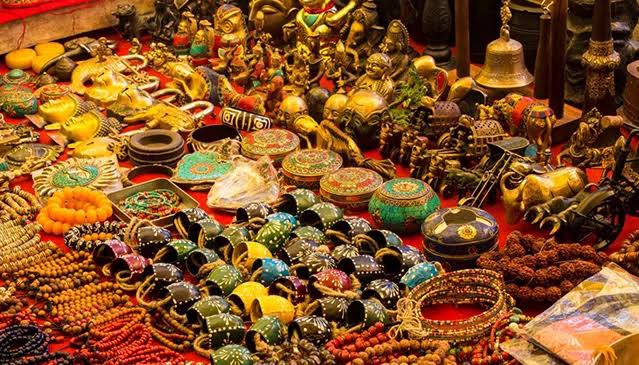
Kashmir’s handicrafts, including pashmina and Kani shawls, hand-knotted carpets, papier-mache products, wood carvings, crewel embroidery, and chain-stitch items, continue to employ thousands of artisans across Srinagar, Budgam, Ganderbal, and South Kashmir, providing both livelihoods and cultural continuity.
Officials highlighted sustained demand from Gulf, European and North American markets, strengthened by quality improvements, product diversification, and efforts to explore new niche markets.
“Despite global slowdown pressures, our artisans have shown remarkable adaptability, from eco-friendly packaging to modern design innovations, without losing the essence of Kashmir’s craft traditions,” said Masrat Zia, Director Handicrafts and Handloom. “We are actively exploring new markets to ensure our crafts reach global buyers directly, strengthening both incomes and the cultural legacy of the region.”
Challenges and the road ahead
High logistics costs, competition from machine-made replicas, and the need for further supply chain digitisation remain challenges. The government is working on cluster-based support, artisan insurance, and export facilitation measures to sustain long-term competitiveness, Zia said.
Cultural capital with global reach
Experts said the export figures reflect more than economic numbers; they highlight the endurance of Kashmir’s heritage industry, its global appeal and renewed confidence among artisans after years of pandemic and market disruptions.
With third-quarter data due next month, stakeholders remain optimistic that FY 2025–26 will close on a strong note, continuing the positive trajectory of Kashmir’s handcrafted legacy in world markets—(KNO)