Highlights young talent, lower costs, startup growth as key advantages
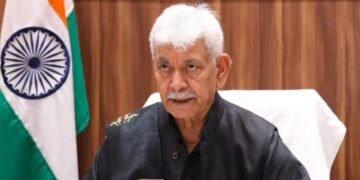
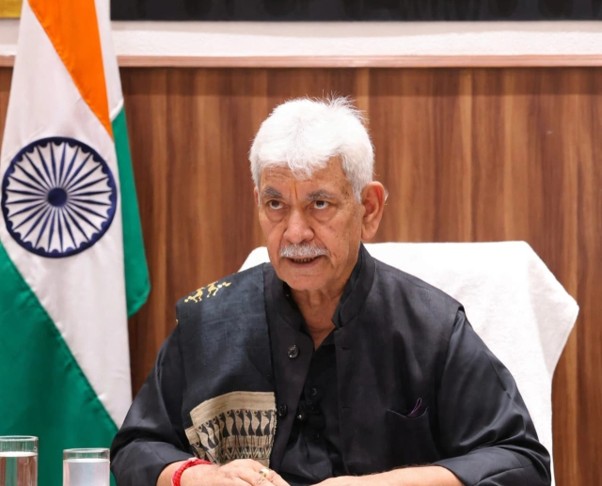
Jammu, Oct 10: Lieutenant Governor Manoj Sinha on Saturday said Jammu and Kashmir can become a major destination for Global Capability Centres (GCCs), with its young workforce, improving infrastructure, investor-friendly policies and growing innovation ecosystem.
Addressing the valedictory session of the J&K Global Capability Centre Summit 2026, Sinha urged participants to make a case for why companies should choose the region as their next talent hub and innovation centre. He said Jammu and Kashmir could move beyond hosting capability centres to becoming a source of distinctive global innovations.
He congratulated IIM Jammu, NASSCOM, partner institutions and the administration for organising the two-day summit. He said the region’s development would depend on strengthening its institutions, infrastructure and innovation ecosystem as companies expand beyond metropolitan centres into Tier-II and Tier-III cities.
Drawing a parallel with the Chenab Rail Bridge, the Lieutenant Governor said the bridge reflected the confidence and ambition needed to pursue transformational goals. The Chenab’s formation through the confluence of the Chandra and Bhaga rivers, he added, symbolised collaboration.
“I see Global Capability Centres in the same spirit of courage and confluence and together they can generate a strength far beyond their separate capabilities,” he said.
Sinha said India has more than 2,100 GCCs employing over 19 lakh professionals and contributing substantially to exports. He described the sector’s evolution as a shift from cost efficiency towards excellence and capability.
He also pointed to infrastructure development, improved connectivity, industrial investment and startup growth in Jammu and Kashmir. The number of startups in the region, he said, had risen from 69 in 2020 to 1,305—an increase of more than 1,800%.
“The industrial revolution we are witnessing today in parts of the Jammu division and the Kashmir Valley is a living symbol of the new Jammu Kashmir,” he said, adding that graduates from IIM Jammu, IIT Jammu, NIT Srinagar and other universities could contribute to a growing workforce.
The LG outlined six advantages for attracting GCCs: financial support, lower operating costs, incentives for pioneering multinational investors, the return of local talent, first-mover opportunities and potential in sectors including agri-tech, tourism-tech and handicraft digitisation.
He also set out a four-pillar roadmap for the next five years: developing talent through industry-academia partnerships; building trust through credible implementation; using the region’s distinctive advantages; and promoting inclusive growth through a hub-and-spoke model.
Sinha said GCCs could become an integral part of Jammu and Kashmir’s industrial ecosystem over the next decade, and that the summit had laid a foundation for an innovation-driven economy.
Chief Secretary Atal Dulloo; NIIT Chairman Padma Bhushan Rajendra Singh Pawar; IIM Jammu Director Prof. B.S. Sahay; Labour and Employment Secretary Kumar Rajeev Ranjan; IIM Jammu Dean of Faculty and Research Prof. Jabir Ali; Dean of Academics Prof. Nitin Upadhyay; and CITaG CEO Dr. Sandeep Ananthanarayanan attended, along with industry leaders, policymakers, officials, faculty and students.